



Sexual health is a vital aspect of any individual's life, and understanding the complexities behind issues such as «triggering» is essential to overcoming the taboos and misunderstandings surrounding the subject. In this article, we will explore the concept of triggering in depth, from its causes and treatments to tips for dealing with it. In addition, we will examine the connection between testosterone levels and occasional erectile dysfunction.
The term «trigger point» refers to the occasional inability to maintain a firm erection during sexual intercourse. It is a normal phenomenon and can be caused by a variety of emotional, psychological and physical factors. A key element that triggers the trigger is the hormone testosterone. Testosterone plays a key role in erectile function by stimulating the production of nitric oxide, which improves blood flow to the penis. Let's look at how testosterone levels can influence this experience and how to address this hormonal aspect.

Trigger points can be caused by a number of factors:
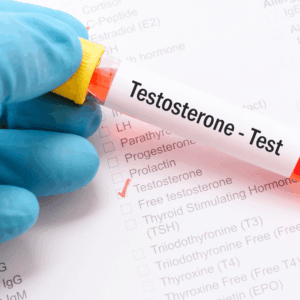
Trigger point is a problem that affects many men at some point in their lives, but it should not be a cause for distress. Understanding the underlying causes, seeking healthy solutions and maintaining a positive mindset are important steps to overcoming this occasional obstacle. Open communication and mutual support within the couple are essential to strengthen the relationship during these times. Remember that sexual health is a natural and normal aspect of life, and deserves to be approached with care and understanding.
At Ailin, we provide test for the measurement of testosterone levels is important to assess hormone function and to identify possible imbalances that may be related to various health problems. Our testosterone test is a very useful tool for assessing testosterone levels in the context of sexual health problems, such as triggering, and how such information could contribute to a more accurate and personalised understanding and management of these health issues.