Home page » Gut and anxiety: the connection no one explained to you (with scientific backing)
Gut and anxiety: the connection no one explained to you (with scientific backing)
By
Alexandra Da Silva
Published in
Have you ever felt anxious, irritable or had negative thoughts without a clear cause? Maybe you didn't know it, but your gut has a lot to say about how you feel emotionally. In recent years, science has confirmed what many people sensed: there is a direct link between digestive health and mental health, known as the gut-brain axis.
This connection explains why digestive problems such as bloating, SIBO or intolerances can cause changes in your mood. And the best part: it also points out possible ways to get better.
In this article we explain how this relationship works, how to recognise if it is affecting you and what steps you can take to regain your digestive and emotional balance, with scientific evidence and practical advice.
What is the gut-brain axis?
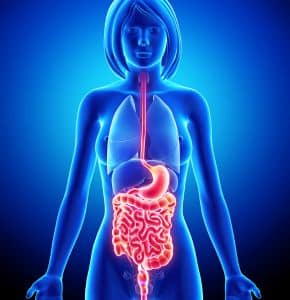
The gut-brain axis is a two-way communication system that connects the central nervous system (brain) with the enteric nervous system (gut), mainly through the vagus nerve and chemical signals such as hormones and neurotransmitters.
One of the keys to this connection lies in the gut microbiota, the collection of bacteria that inhabit your gut. These bacteria not only help digest food, but also directly influence your mood by modulating the production of neurotransmitters.
For example, more than 90% of serotonin (the “feel-good hormone”) is produced in the gut. So when your microbiota is disturbed, so can your emotional balance.
How does gut dysbiosis affect your emotions?
Dysbiosis is an imbalance of bacteria in the gut. It can be caused by poor diet, antibiotics, chronic stress or infections. This imbalance can alter neurotransmitter production, lead to systemic inflammation and affect gut permeability.
Studies have shown that people with dysbiosis or conditions such as SIBO (small intestinal bacterial overgrowth) have increased levels of anxiety, depression and mental fatigue.
It's not just a digestive issue: it's an emotional and cerebral issue too. Gut inflammation can disrupt the blood-brain barrier, and the inflamed gut sends alarm signals to the brain, perpetuating a constant state of alertness.
Signs that your gut may be affecting your mental health
Unexplained anxiety or stress
Irritability after eating
Mental fog or concentration problems
Constant emotional fatigue
Mood changes after certain meals
Stress-related abdominal pain
These signals may seem unconnected, but they have one thing in common: they often originate in a poorly functioning gut.
Common cases in which this connection is activated
SIBOGas, bloating and heavy digestion accompanied by irritability, anxiety and sleep disturbances.
Food intolerancessuch as lactose or fructose, generate physical discomfort that, over time, affects your emotional state.
Chronic stressDisrupts the balance of the microbiota and may change the intestinal transit (diarrhoea or constipation).
Restrictive or unbalanced diet: impoverishes your intestinal flora.
What can be done to break the anxiety-gut cycle?
Improve your diet (without obsession):
Increase vegetable consumption, prebiotic fibres and fermented foods, without going on extreme diets.
Identifies hidden intolerances:
Lactose, fructose or SIBO intolerances are not always easily detected, but may be at the root of your symptoms.
Take a digestive test at home:
Breath tests are available to detect SIBO or malabsorption without the need for a face-to-face medical consultation.
Incorporate regulatory habits:
Gentle exercise (such as walking), breathing techniques or sunbathing help the parasympathetic nervous system.
Consultation with an integrative practitioner:
An understanding of both digestive and emotional health. Ideally, an approach that includes nutrition, psychology and functional medicine. You can request a digestive practice with our medical team to solve all your doubts.
Conclusion: Your emotional health starts in the gut
If you've been wondering for a while why you feel emotionally unstable, the source might be further down than you thought: in your gut. The science backs it up: you're not “overreacting”, nor “it's all psychological”.
The good news: you can start regulating yourself from the very basics - what you eat, how you digest, and how you listen to yourself. Your emotional wellbeing is also nourished by healthy bacteria and calm digestion.
References
Carabotti M, Scirocco A, Maselli MA, Severi C. The gut-brain axis: interactions between enteric microbiota, central and enteric nervous systems. Ann Gastroenterol. 2015;28(2):203-9.
Dinan TG, Cryan JF. Melancholic microbes: a link between gut microbiota and depression? Neurogastroenterol Motil [Internet]. 2013;25(9):713-9. Available at: http://dx.doi.org/10.1111/nmo.12198
Rea K, Dinan TG, Cryan JF. The microbiome: A key regulator of stress and neuroinflammation. Neurobiol Stress [Internet]. 2016;4:23-33. Available at: http://dx.doi.org/10.1016/j.ynstr.2016.03.001
Ríos-Covián D, Ruas-Madiedo P, Margolles A, Gueimonde M, de Los Reyes-Gavilán CG, Salazar N. Intestinal short chain fatty acids and their link with diet and human health. Front Microbiol [Internet]. 2016;7:185. Available at: http://dx.doi.org/10.3389/fmicb.2016.00185
Rinninella E, Tohumcu E, Raoul P, Fiorani M, Cintoni M, Mele MC, et al. The role of diet in shaping human gut microbiota. Best Pract Res Clin Gastroenterol [Internet]. 2023;62–63(101828):101828. Available at: http://dx.doi.org/10.1016/j.bpg.2023.101828