



foods that can make you sick

10 “healthy” foods that could be sabotaging your digestion

Do you eat healthy... but feel terrible?

Sometimes you eat a balanced diet, rich in “healthy” foods, and yet your gut complains. This happens more often if you have SIBO, intolerances or digestive dysfunction.

What seems good for most people can irritate your gut or feed bacteria inappropriately, causing symptoms such as bloating, gas or tiredness.

Therefore, it is key to know that not all healthy foods are suitable for everyone.

In this article we tell you about those “apparently healthy” foods that could be sabotaging your digestion and what alternatives you can try to feel better while still taking care of yourself.
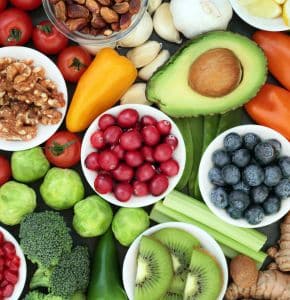
Healthy foods that can harm you

10 healthy foods that may be harmful to you if you have SIBO or
intolerances

  • Avocado.
    Rich in polyols and fructose, it may cause bloating, gas or diarrhoea if you have SIBO or an intolerance.
    AlternativeUse small amounts or substitute with boiled egg.
  • Honey.
    It contains a lot of fructose, which can feed excessive bacteria and worsen digestive symptoms.
    AlternativeRice syrup or simply avoid sweeteners.
  • Raw onion.
    Very rich in fructans, fermentable fibres that promote swelling and discomfort.
    AlternativeUse the green part of a well-cooked leek or onion.
  • Raw garlic.
    Very high in fructans, as well as being a potent irritant if you have bacterial overgrowth.
    AlternativeGarlic infused in oil (without the fermentable fibre).
  • Lentils and pulses.
    They ferment easily in the small intestine, causing gas and discomfort.
    Alternativered lentils, peeled or sprouted, in small quantities.
  • Apple.
    Contains fructose and sorbitol, which can cause gas and bloating.
    AlternativeLow FODMAP fruits such as kiwifruit or strawberries.
  • Cow's yoghurt.
    Because of its lactose content, it can feed problematic bacteria if you have SIBO.
    Alternative: unsweetened vegetable yoghurt or homemade kefir in small doses.
  • Commercial wholemeal bread.
    It often contains low quality fibre, gluten and industrial yeasts that can inflame the gut.
    Alternativegluten-free sourdough or rice bread.
  • Green smoothies.
    They mix raw fruits and vegetables full of fibre that is difficult to digest if you have digestive sensitivities.
    Alternative: strained vegetable juices or smoothies without raw leaves and fruits.
  • Kombucha (in excess).
    Although it is fermented, its residual sugar and gas can be irritating if you have SIBO or a sensitive gut.
    Alternativewater with lemon or digestive infusions.

Should I eliminate these foods forever?

It is not always necessary to eliminate them for life. But if you have digestive symptoms, it is advisable to reduce your intake temporarily while you work on the root cause.

The ideal is to carry out a SIBO test or digestive intolerances to find out what is really affecting you.

How to tell if these foods are your real problem

The first indicator is your body: if you notice bloating, pain or fatigue after eating them, pay attention. However, the symptoms can sometimes be confused with other digestive problems.

For this reason, we recommend the Ailin Digestive Pack, which allows you to detect at home if you have SIBO, lactose intolerance or fructose intolerance.

Conclusion: Not everything healthy is good for you (and it's good to find out).

The key is not to eat perfectly, but to know what feels good for your body. Listening to your digestion is a form of real self-care. If you want clear answers, take the test at home and start eating without fear.

know your digestive wellbeing

References:

1. Pimentel M, Saad RJ, Long MD, Rao SSC. ACG clinical guideline: Small intestinal bacterial overgrowth: Small intestinal bacterial overgrowth. Am J Gastroenterol [Internet]. 2020;115(2):165-78. Disponible en: http://dx.doi.org/10.14309/ajg.0000000000000501

2. DiNicolantonio JJ, Lucan SC. Is fructose malabsorption a cause of irritable bowel syndrome? Med Hypotheses [Internet]. 2015;85(3):295-7. Available at: http://dx.doi.org/10.1016/j.mehy.2015.05.019

3. Gibson PR, Shepherd SJ. Evidence-based dietary management of functional gastrointestinal symptoms: The FODMAP approach. J Gastroenterol Hepatol [Internet]. 2010;25(2):252-8. Disponible en: http://dx.doi.org/10.1111/j.1440-1746.2009.06149.x

4. Gibson PR. Use of the low-FODMAP diet in inflammatory bowel disease: Low FODMAP diet in IBD. J Gastroenterol Hepatol [Internet]. 2017;32 Suppl 1:40-2. Available at: http://dx.doi.org/10.1111/jgh.13695

Share on:

Discover new content

What is the difference between STIs and STDs?

How do I know if I have an STD?

Why do we include it in this test?
What other tests are you undergoing?
Discount coupon of 5% available: #ADS05
10% discount coupon available: AILINSOCIAL