


Ureaplasma parvum: What it is, Symptoms & Detection
Ureaplasma parvum: What it is, Symptoms & Detection

What is Ureaplasma parvum?

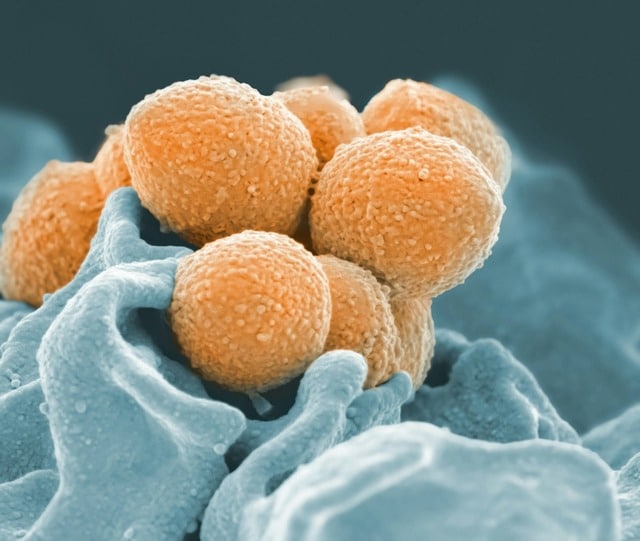
Ureaplasma parvum is a bacterium belonging to the genus Ureaplasma and the family Mycoplasmataceae. This microorganism is spherical or coccobacillary in shape, ranging in size from 0.1 to 1 micrometre. Although it is part of the normal genital flora in humans and animals, it can become pathogenic and cause various diseases if its presence is imbalanced. Early diagnosis and proper treatment are essential to prevent serious complications, such as infertility or disorders during pregnancy.

Symptoms of Ureaplasma parvum

The most common symptoms in both sexes are described below:

  • In Women:
    • Pain or burning during urination.
    • Vaginal discharge unusual.
    • Pain during the sexual relations.
    • Pelvic pain.
    • In more severe cases, it may contribute to complications such as pelvic inflammatory disease (PID), which can affect fertility.
  • In Men:
    • Urethritis, which manifests as painful urination.
    • Discharge from the penis.
    • Testicular pain or swelling in less common cases.

In addition to these gender-specific symptoms, the Ureaplasma parvum may be associated with pregnancy complications, It has also been observed to affect the development of premature births and low birth weight. It has also been observed that it can affect newborns, where it can cause meningitis and sepsis, although these cases are rare.

Is it serious or dangerous to contract Ureaplasma parvum?

The Ureaplasma parvum is generally not serious in healthy people and when properly treated, but can become dangerous if not detected early or if the infection spreads to other organs, especially in pregnant women or people with compromised immune systems. Most people who contract this bacterium experience no or mild symptoms. However, it is important to consult a healthcare professional if infection is suspected to avoid serious complications.

Ureaplasma parvum colonises the urinary and genital tract and has been linked to the following diseases:

  • Urethritis
  • Chronic prostatitis
  • Urolithiasis
  • Chorioamnionitis
  • Surgical wound infections
  • Pelvic inflammatory diseases
  • Pyelonephritis
  • Postpartum endometritis
  • Premature birth or miscarriage
  • Infertility through inflammation of the placentae and infection of the amniotic sac during pregnancy.

How to detect Ureaplasma parvum

A proper diagnosis is essential, as the symptoms of Ureaplasma parvum can be confused with other urogenital infections. Diagnosis is confirmed by specific tests that identify the bacteria.

An excellent option for checking whether you have been infected with Ureaplasma parvum  from the comfort of your home is the STD Test by Ailin Health, which makes it possible to detect Ureaplasma parvum and other sexually transmitted infections accurately. This test offers fast and confidential results, The new product, providing a practical solution for those who want to manage their sexual health in an effective and affordable way.

How it spreads

The transmission of Ureaplasma parvum occurs mainly through direct sexual contact, both genital-genital and oral-genital, as well as vertically during pregnancy or childbirth. Although rare, transmission through tissue transplantation has also been identified.

Prevention and Recommendations

To prevent the transmission of Ureaplasma parvum and other sexually transmitted infections, it is recommended:

  • Condom use during all forms of sexual contact.
  • Good personal hygiene in the genital area.
  • Regular STI testing, especially if you have multiple sexual partners or a history of previous infections.
  • Consulting a doctor if you experience symptoms such as painful urination, unusual discharge or pelvic pain.

Treatment

Treatment for infections caused by Ureaplasma parvum is usually based on antibiotics, due to the lack of a cell wall in these bacteria. The most commonly used antibiotics include:

  • DoxycyclineIt is the treatment of choice for non-pregnant adults.
  • AzithromycinPreferred during pregnancy due to its shorter dosing regimen.
  • FluoroquinolonesReserved for complicated cases or cases resistant to initial treatment.

Treatment usually lasts 1-2 weeks, depending on the severity of the infection.

[ailin_product_thumb pid=»5965″]

Bibliographical references

  1. Find Out All About Ureaplasma (u. parvum and u. urealyticum): Causes (2024) Selfkit. Available at: https://selfkit.com/blogs/news/descubre-todo-sobre-el-ureaplasma-u-parvum-y-u-urealyticum-causas-sintomas-y-tratamiento (Accessed: 04 December 2024).
  2. Paz, E.S. de (2024) Its ureaplasma: What it is, Symptoms, Diagnosis & Treatment, López Salcedo Clinical Analysis Laboratory. Available at: https://www.laboratoriolopezsalcedo.es/ureaplasma-que-es-sintomas-diagnostico-tratamiento (Accessed: 02 December 2024).
  3. Mensa Pueyo, J. (2017) Antimicrobial Therapeutics Guidelines 2017. Barcelona: Antares.
  4. Sánchez Amador, S.A. (2023) Ureaplasma infection: Symptoms, causes and treatment, VIVOLABS. Available at: https://vivolabs.es/infeccion-por-ureaplasma-sintomas-causas-y-tratamiento/ (Accessed: 05 December 2024).
  5. User, S. (no date) Ureaplasma parvum - molecular diagnosis (PCR)., IVAMI. Available at: https://www.ivami.com/es/microbiologia-veterinaria-molecular/537-ureaplasma-parvum (Accessed: 05 December 2024).
  6. Workowski and Bolan (2015) ‘Sexually transmitted diseases treatment guidelines, 2015’, Annals of Emergency Medicine, 66(5), pp. 526-528. doi:10.1016/j.annemergmed.2015.07.526.

Share on:

Discover new content

What is the difference between STIs and STDs?

How do I know if I have an STD?

Why do we include it in this test?
What other tests are you undergoing?
Discount coupon of 5% available: #ADS05
10% discount coupon available: AILINSOCIAL