

124,99 € — or subscribe to save up to 8%
Blood tests at home to assess the state of your health quickly and conveniently. A single test with lipid, liver, renal, thyroid and glucose profiles, designed for care and prevention.
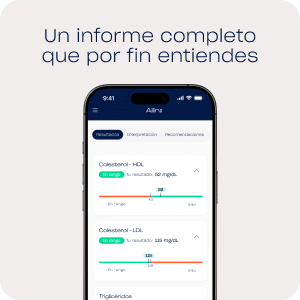
This blood test measures the essential parameters of your health: lipid profile, liver, kidney, thyroid and glucose level. Ideal for finding out your general condition, detecting imbalances in time and preventing complications. A complete check-up from home, especially useful if you haven't had one for a long time.
THE ESSENTIAL BLOOD TEST IS FOR YOU IF...


69,99 € — or subscribe to save up to 10%
Fatigue, weakness or lack of energy? In this analysis you can discover the levels of the vitamins responsible for your well-being, whose deficiency can explain symptoms such as tiredness, weakness, sleep problems or brittle hair and nails. From home and results with medical interpretation.
79,99 € — or subscribe to save up to 10%
Is stress taking its toll on you? Beyond an elevated cortisol value, you may be experiencing symptoms such as fatigue, weight changes, insomnia, digestive problems or general malaise, which may be related to chronic stress. This test offers a more complete picture of how stress is affecting your body.
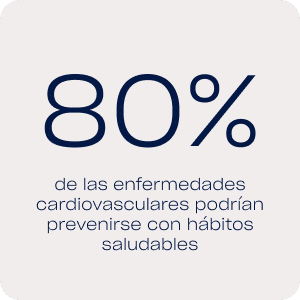
Having diabetes is a cardiovascular risk factor, as is smoking, high blood pressure, obesity and a sedentary lifestyle. Patients with diabetes mellitus (DM), in addition to controlling bad cholesterol (LDL) and blood pressure, must control glucose levels. Whether there is insufficient insulin production (type I DM) or insulin resistance (type II DM), glucose accumulates in the blood (hyperglycaemia) and this favours microvascular complications. On the other hand, the predisposition of diabetics to maintain high cholesterol levels favours a predisposition to atherosclerosis (cholesterol plaques adhering to the arteries, which, if obstructed, can lead to myocardial infarction or ischaemic stroke due to lack of blood flow).
If the results are normal, we recommend a six-monthly or annual follow-up. If they are altered, you should repeat the analysis after 3 months to check their evolution.
The essential blood test does not require any special preparation. However, we recommend taking the sample first thing in the morning on an empty stomach, and even better, after a warm shower to get the blood flowing.
107,00 € Original price was: 107,00 €.68,00 €Current price is: 68,00 €.
Do you suspect you have SIBO? An early increase in these gases may indicate an overgrowth of bacteria in the small intestine, which could be related to digestive symptoms such as persistent bloating, abdominal discomfort or impaired digestion. Results in 7-10 working days.
92,00 € Original price was: 92,00 €.59,00 €Current price is: 59,00 €.
Is milk or cheese bad for you? Lactose is a sugar present in milk and its derivatives, and some people have difficulty processing it correctly. When this happens, certain gases increase and we can detect intolerance or malabsorption. From home, with results in 7-10 days and medical consultation available.
92,00 € Original price was: 92,00 €.59,00 €Current price is: 59,00 €.
Are fruit or honey bad for you? Fructose is a sugar found in fruits, vegetables and processed foods. Some people have difficulty metabolising it properly. With the fructose intolerance test you can check if your body digests it well. From home with results reported in 7-10 days.
124,99 € — or subscribe to save up to 8%
.