

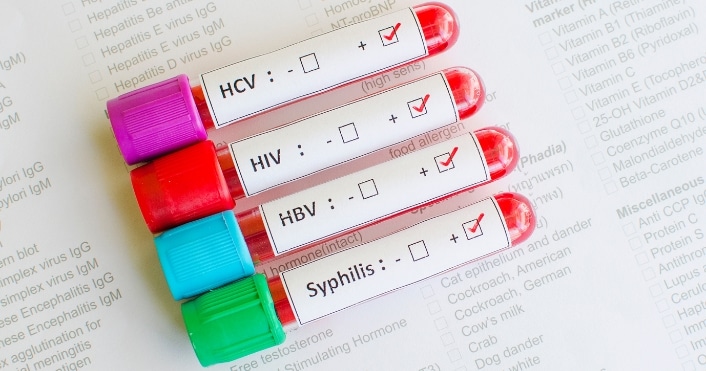
The sexually transmitted infections (STIs) and the sexually transmitted diseases (STDs) are related but not identical concepts. Both describe conditions that are transmitted primarily through sexual contact, although they can also be spread by other means.
The key difference is that the term ITS refers to sexually acquired infections before visible symptoms appear, while ETS is used when these infections have progressed and are already showing clinical manifestations. This distinction is important because it allows the focus to be placed on the prevention and early detection, not only in established disease.
In recent years, the use of «STIs» has gained ground in public health precisely for the purpose of reducing stigma and promote more preventive language. Talking about infections, rather than diseases, invites people to get checked even when they have no symptoms, thus encouraging more proactive sexual health care.
In addition, understanding this difference helps to:
Ultimately, the evolution from “STD” to “STI” is not just a change in terminology: it reflects an more holistic and preventive vision The aim is to protect individual and collective well-being before complications arise.
Our tests are designed to detecting sexually transmitted infections in their early stages and also when they have already progressed to disease. They therefore cover both the concept of ITS such as that of ETS.
Therefore, our test cover both concepts because they detect the presence of the causative agents, regardless of whether or not the person has symptoms at the time, as long as the window period has passed. In this way, we offer a useful tool for both the prevention as for the early diagnosis, The use of the virus can help to protect individual health and stop transmission to others.