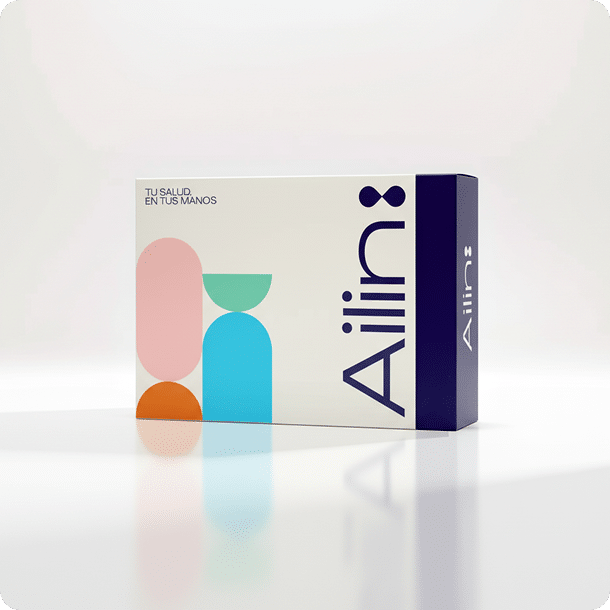


149,99 € — or subscribe to save up to 10%
The STD test detects the presence of the 11 major sexually transmitted infections measurable in blood and urine, including Mycoplasmas and Ureaplasmas.
It is the STD test more comprehensivedetects antibodies and/or antigens in blood (HIV, Syphilis, Hepatitis B and C) and urine infections (Chlamydia, Gonorrhoea, Trichomoniasis, Mycoplasmas and Ureaplasmas). Ideal if you want maximum coverage in a single test, discreetly and from home, with results interpreted by our medical team.
THE ETS TEST IS FOR YOU IF...


44,99 € — or subscribe to save up to 10%
Tiredness, weight or mood swings? Alterations in thyroid function can affect the balance of the body. With this test you can evaluate the main thyroid markers in the blood (free T4 and TSH, which regulates the gland) and identify possible alterations such as hypothyroidism and hyperthyroidism, without displacement.
69,99 € — or subscribe to save up to 10%
Fatigue, weakness or lack of energy? In this analysis you can discover the levels of the vitamins responsible for your well-being, whose deficiency can explain symptoms such as tiredness, weakness, sleep problems or brittle hair and nails. From home and results with medical interpretation.
89,99 € — or subscribe to save up to 10%
The STI test detects some of the most common STIs: HIV (4th generation), Syphilis, Hepatitis B and C in a single blood sample. It tests for antibodies and antigens for a reliable result. Discreet self-test, easy to use at home and with medical report included.
119,99 € — or subscribe to save up to 10%
This pack offers a good infection coverage in blood (HIV, Syphilis and Hepatitis B and C) and urine (Chlamydia, Gonorrhoea and Trichomoniasis). Ideal if you want to be reassured after a risky relationship, although it does not include all existing infections, as it does not analyse Mycoplasmas or Ureaplasmas.
149,99 € — or subscribe to save up to 10%
It is the STD test more comprehensivedetects antibodies and/or antigens in blood (HIV, Syphilis, Hepatitis B and C) and urine infections (Chlamydia, Gonorrhoea, Trichomoniasis, Mycoplasmas and Ureaplasmas). Ideal if you want maximum coverage in a single test, discreetly and from home, with results interpreted by our medical team.
Exposures, check-ups, new beginnings: find out if there is something wrong with you from home, without appointments, totally private and discreet.
Hospital laboratory standards
Get a check-up before a new relationship, without explanation
Screen for STIs (or STDs) at home with complete discretion and privacy
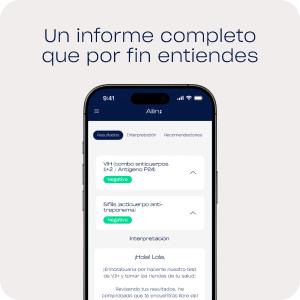
Results in 24-48h with medical interpretation included.
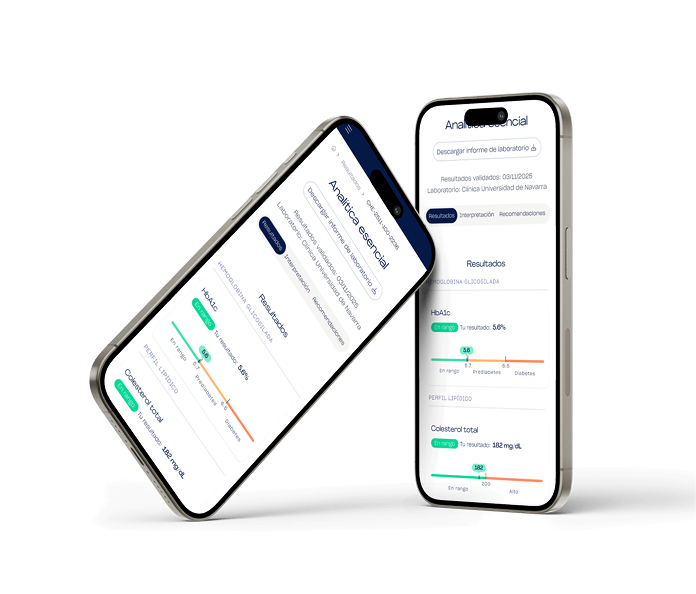
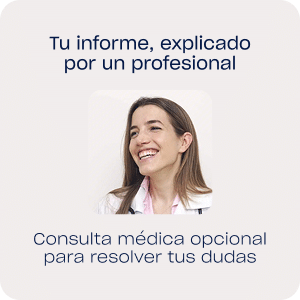
Medical interpretation included in all tests
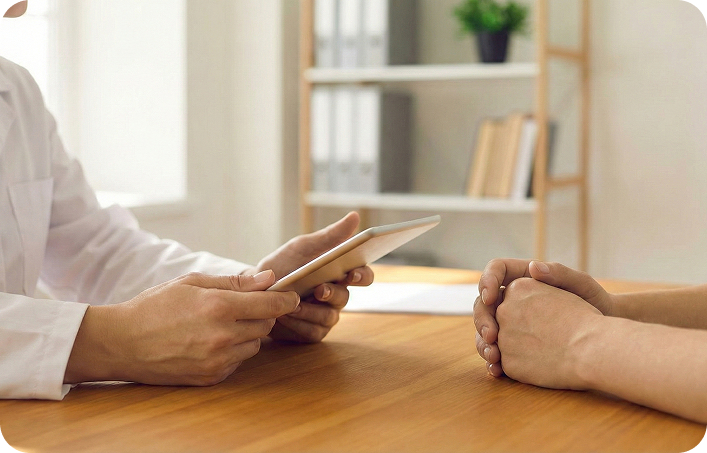
You now have the option of scheduling a personal consultation:
Understand what your values mean
Ask questions if you don't understand
Decide your next steps with clarity and clinical rigour.
Infections caused by Ureaplasma and Mycoplasma are quite common in the general population, especially in sexually active people. These bacteria are commonly found in the genital and urinary tract, and can cause urinary tract and sexually transmitted infections. Ureaplasma infections may be more common in men than in women, while Mycoplasma genitalium infections tend to be more common in women than in men. However, it is important to note that these infections can affect anyone who is at risk of contracting an STI. It is important to note that many people with Ureaplasma and Mycoplasma infections have no symptoms. However, if symptoms do occur, they may include painful or burning urination, abnormal discharge, pain during sex, and redness or swelling in the genital area. It is important to talk to a doctor or sexual health specialist if you have concerns about STIs and to get tested regularly.
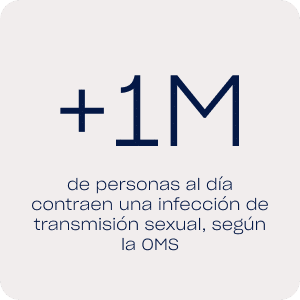
It is considered appropriate to have a regular STD check-up every few years, approximately once a year. This is because more than 85% of sexually transmitted diseases are asymptomatic and, if diagnosed early, can be treated very well. In addition, regular screening can prevent numerous complications, such as infertility or various types of cancer.
The window period is the time from infection with a disease until diagnostic methods can detect the presence of the disease in the body. In summary, the STD window periods of the ITS-11 test are:
It is important to note that these window periods may vary from person to person and that diagnostic tests may have different levels of sensitivity and specificity at different times after infection. If a sexually transmitted infection is suspected, it is recommended to seek medical attention for proper diagnosis and prompt treatment.
The ETS-11 test does not require any special preparation.
No. Our STD test is the same for men and women. In all cases, a blood sample and a urine sample are analysed, which allows us to detect the same infections with equal reliability and diagnostic accuracy, regardless of sex.
If you test positive, the next step is to consult a medical professional to confirm the diagnosis and assess the appropriate treatment. At Ailin you can book the STI Consultation, where a doctor will review your results, answer your questions and, if necessary, prescribe treatment safely and confidentially.
Pharmacy STD tests are usually rapid tests that give an indicative result within minutes, but they usually detect only one or two infections (such as HIV or syphilis) and have limited reliability. Ailin's STD test, however, tests for several infections together in a certified laboratory, with much greater accuracy. In addition, it includes collection and delivery of the kit from home, medical interpretation of the results and complete confidentiality throughout the process.
At ETS we make sure that your data and results are fully protected. Only you will be able to see them and we take every measure to ensure your privacy. We want you to take the test with confidence, knowing that your information is in safe hands.
44,99 € — or subscribe to save up to 10%
Tiredness, weight or mood swings? Alterations in thyroid function can affect the balance of the body. With this test you can evaluate the main thyroid markers in the blood (free T4 and TSH, which regulates the gland) and identify possible alterations such as hypothyroidism and hyperthyroidism, without displacement.
69,99 € — or subscribe to save up to 10%
Fatigue, weakness or lack of energy? In this analysis you can discover the levels of the vitamins responsible for your well-being, whose deficiency can explain symptoms such as tiredness, weakness, sleep problems or brittle hair and nails. From home and results with medical interpretation.
79,99 € — or subscribe to save up to 10%
Is stress taking its toll on you? Beyond an elevated cortisol value, you may be experiencing symptoms such as fatigue, weight changes, insomnia, digestive problems or general malaise, which may be related to chronic stress. This test offers a more complete picture of how stress is affecting your body.
149,99 € — or subscribe to save up to 10%
.