

89,99 € — or subscribe to save up to 10%
The STI test detects the presence of 4 of the most common sexually transmitted infections in blood: HIV, Syphilis, Hepatitis B and C. Get out of doubt discreetly and confidentially.
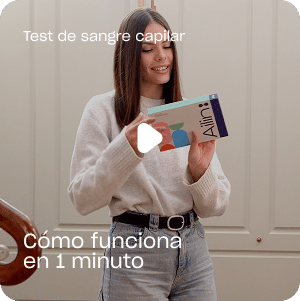
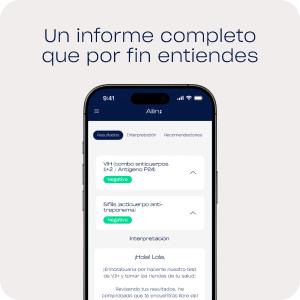
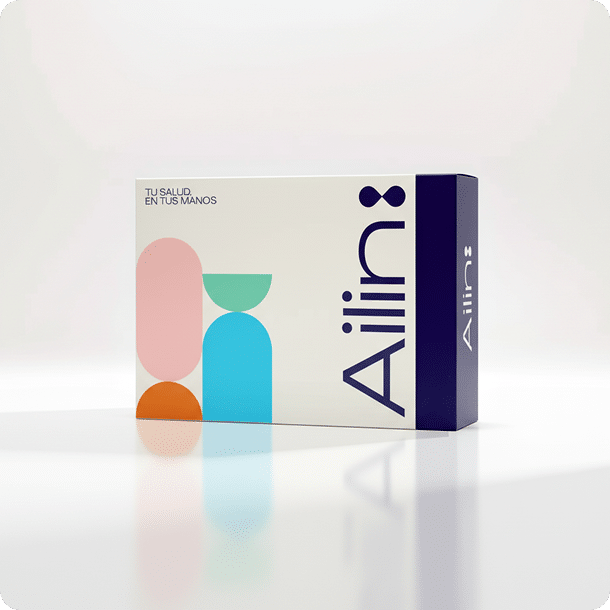
The STI test detects some of the most common STIs: HIV (4th generation), Syphilis, Hepatitis B and C in a single blood sample. It tests for antibodies and antigens for a reliable result. Discreet self-test, easy to use at home and with medical report included.
THE ITS TEST IS FOR YOU IF...

44,99 € — or subscribe to save up to 10%
This self-test detects both antigens and antibodies for accuracy. It is therefore a definitive HIV test, to confirm or rule out HIV, after the window period (2-12 weeks) has passed. It is also private and discreet, from home, with results interpreted by our medical team.
119,99 € — or subscribe to save up to 10%
This pack offers a good infection coverage in blood (HIV, Syphilis and Hepatitis B and C) and urine (Chlamydia, Gonorrhoea and Trichomoniasis). Ideal if you want to be reassured after a risky relationship, although it does not include all existing infections, as it does not analyse Mycoplasmas or Ureaplasmas.
89,99 € — or subscribe to save up to 10%
119,99 € — or subscribe to save up to 10%
149,99 € — or subscribe to save up to 10%
Exposures, check-ups, new beginnings: find out if there is something wrong with you from home, without appointments, totally private and discreet.
Hospital laboratory standards
Get a check-up before a new relationship, without explanation
Screen for STIs (or STDs) at home with complete discretion and privacy
Results in 24-48h with medical interpretation included.
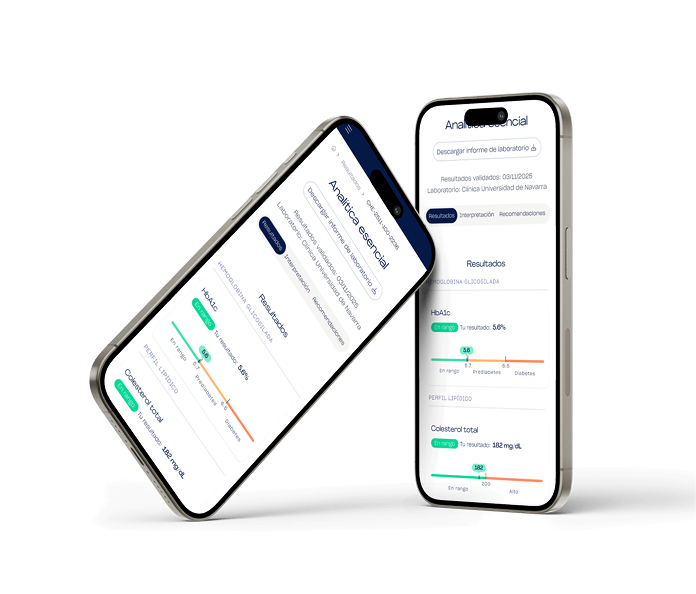
Medical interpretation included in all tests

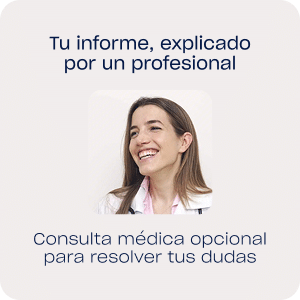
You now have the option of scheduling a personal consultation:
Understand what your values mean
Ask questions if you don't understand
Decide your next steps with clarity and clinical rigour.
Syphilis is a sexually transmitted bacterial infection that can have different stages and varying symptoms. Some of the symptoms that can occur during the different stages of syphilis include:
1. Primary stage: usually presents as a single sore or ulcer on the genitals, mouth or rectum. The ulcer is usually painless and may go unnoticed.
2. Secondary stage: a few weeks or months after the primary infection, symptoms such as a rash on different parts of the body, including the palms of the hands and soles of the feet, may occur. Flu-like symptoms such as fever, headache, muscle pain and fatigue may also occur.
3. Latent stage: If syphilis is not treated in the primary or secondary stages, it can enter a latent stage where there are no apparent symptoms, but the bacteria are still present in the body. This stage can last for several years.
4. Late stage: If syphilis is not treated during the latent stage, it can progress to a late stage where severe symptoms such as brain damage, heart problems, blindness and deafness can occur.
It is important to note that syphilis may present differently in each person and some of these symptoms may be caused by other medical conditions. If a syphilis infection is suspected, it is recommended to seek medical attention for proper diagnosis and prompt treatment.
Hepatitis B and hepatitis C are liver diseases caused by different viruses. Both can have similar symptoms, but they can also occur asymptomatically, i.e. without noticeable symptoms. The most common symptoms of each of these infections are described below: Hepatitis B:
- Fatigue
- Abdominal pain
- Nausea and vomiting
- Loss of appetite
- Dark urine
- Light-coloured faeces
- Jaundice (yellowing of the skin and eyes)
- FeverHepatitis C:
- Fatigue
- Abdominal pain
- Nausea and vomiting
- Loss of appetite
- Dark urine
- Light-coloured faeces
- Jaundice (yellowing of the skin and eyes)
- Joint pain
- Itchy skin
It is important to note that these symptoms may vary from person to person and some may not be present at all. If hepatitis B or C infection is suspected, it is recommended to seek medical attention for proper diagnosis and prompt treatment.
The window period is the time from infection with a disease until diagnostic methods can detect the presence of the disease in the body. In summary, the window periods for STIs in the ITS-11 test are:
- HIV: Average time is 2-4 weeks, could be up to +12 weeks.
- Hepatitis B: Average time is 1-4 weeks, could be up to +9 weeks.
- Hepatitis C: Average time is 6-9 weeks, could be up to +12 weeks.
- Syphilis: Average time is 3-6 weeks, could be up to +12 weeks.
It is important to note that these window periods may vary from person to person and that diagnostic tests may have different levels of sensitivity and specificity at different times after infection. If a sexually transmitted infection is suspected, it is recommended to seek medical attention for proper diagnosis and prompt treatment.
It is considered appropriate to have a regular STI check-up from time to time, approximately once a year. This is because more than 85% of sexually transmitted diseases are asymptomatic and, if diagnosed early, can be treated very well. In addition, regular screening can prevent numerous complications, such as infertility or various types of cancer.
The ITS-4 test does not require any special preparation.
In the 4 ITS Pack we guarantee that your information and results are completely private. No one else will be able to access them and we use advanced security systems to protect them. We know how important discretion is in health matters, so you can be confident that your privacy is assured.
"Fast and discreet service. Clear and easy to understand results"."
"Good experience and clear results"."
"It was very easy and quick."
"It is a very good service and they are very quick in sending the kits"."
"I am very happy with you"."
"The sample kit did not take long to arrive at my home, as did the results once the sample was analysed by the laboratory. I recommend"
"Fast and discreet service. Clear and easy to understand results"."
"Good experience and clear results"."
"It was very easy and quick."
"It is a very good service and they are very quick in sending the kits"."
"I am very happy with you"."
"The sample kit did not take long to arrive at my home, as did the results once the sample was analysed by the laboratory. I recommend"
"Fast and discreet service. Clear and easy to understand results"."
"Good experience and clear results"."
"It was very easy and quick."
"It is a very good service and they are very quick in sending the kits"."
"I am very happy with you"."
"The sample kit did not take long to arrive at my home, as did the results once the sample was analysed by the laboratory. I recommend"
"Fast and discreet service. Clear and easy to understand results"."
"Good experience and clear results"."
"It was very easy and quick."
"It is a very good service and they are very quick in sending the kits"."
"I am very happy with you"."
"The sample kit did not take long to arrive at my home, as did the results once the sample was analysed by the laboratory. I recommend"
"Fast and discreet service. Clear and easy to understand results"."
"Good experience and clear results"."
"It was very easy and quick."
"It is a very good service and they are very quick in sending the kits"."
"I am very happy with you"."
"The sample kit did not take long to arrive at my home, as did the results once the sample was analysed by the laboratory. I recommend"
"Fast and discreet service. Clear and easy to understand results"."
"Good experience and clear results"."
"It was very easy and quick."
"It is a very good service and they are very quick in sending the kits"."
"I am very happy with you"."
"The sample kit did not take long to arrive at my home, as did the results once the sample was analysed by the laboratory. I recommend"
"Fast and discreet service. Clear and easy to understand results"."
"Good experience and clear results"."
"It was very easy and quick."
"It is a very good service and they are very quick in sending the kits"."
"I am very happy with you"."
"The sample kit did not take long to arrive at my home, as did the results once the sample was analysed by the laboratory. I recommend"
44,99 € — or subscribe to save up to 10%
119,99 € — or subscribe to save up to 10%
89,99 € — or subscribe to save up to 10%
.